Diphtheria symptoms, spread, vaccination and Australia’s current outbreak
Diphtheria is a serious and highly contagious bacterial infection that was once a major cause of illness and death worldwide, particularly in children. Thanks to widespread vaccination programs, cases in Australia have been rare for many years – however, recent outbreaks across several Australian states are a reminder that this disease has not disappeared.
What is Diphtheria?
Diphtheria is caused by the bacterium Corynebacterium diphtheriae. It most commonly affects the nose and throat (respiratory diphtheria), but it can also infect the skin (cutaneous diphtheria).
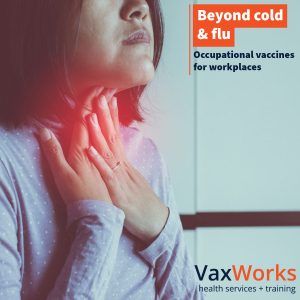
Respiratory diphtheria can cause:
- Sore throat
- Fever
- Swollen glands in the neck
- Difficulty breathing
- A thick grey or white membrane in the throat
In severe cases, the toxin produced by the bacteria can damage the heart, kidneys and nervous system, and can become life-threatening.
Cutaneous diphtheria causes infected skin sores or ulcers and can still spread the bacteria to others.
How is Diphtheria spread?
Diphtheria spreads through:
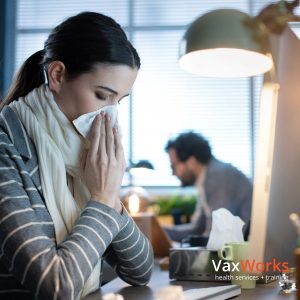
- Respiratory droplets from coughing or sneezing
- Close contact with an infected person
- Contact with infected skin wounds or sores
Because it spreads easily in close-contact environments, outbreaks can occur quickly where vaccination coverage is lower or where booster vaccinations have lapsed.
Importantly, even vaccinated people can sometimes carry and spread the bacteria, although vaccination significantly reduces the risk of severe illness and complications.
Australia’s current Diphtheria outbreak
Australia is currently experiencing its largest diphtheria outbreak in decades. The outbreak began in the Northern Territory and has since spread into Western Australia, Queensland and South Australia.
As of May 2026:
- More than 220 cases have been reported nationally
- The majority of cases have occurred in the Northern Territory and Western Australia
- Both respiratory and cutaneous diphtheria cases have been identified
- Health authorities have raised concerns about declining vaccination and booster rates since the COVID-19 pandemic
Health officials have also noted that many severe respiratory cases have occurred in people whose vaccinations or booster doses were no longer up to date.
The outbreak has prompted increased public health responses, including vaccination campaigns, pop-up clinics and renewed calls for Australians to check their immunisation status.
Vaccination: The Best Protection Against Diphtheria
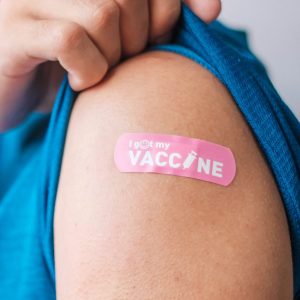
Vaccination remains the most effective way to protect against diphtheria and reduce the risk of severe disease.
For adults, there are two commonly used booster vaccine options available in Australia:
Diphtheria + Tetanus Vaccine
This vaccine protects against:
- Diphtheria
- Tetanus
It is commonly used as a routine booster and is generally recommended every 10 years – however individuals travelling to areas where diphtheria outbreaks are occurring should receive a booster after 5 years.
Diphtheria + Tetanus + Pertussis (Whooping Cough) Vaccine
This combination vaccine protects against:
- Diphtheria
- Tetanus
- Pertussis (whooping cough)
This option is often recommended for adults who are also due for a pertussis booster, particularly:
- Parents and carers of young children
- Healthcare workers
- Aged care workers
- Pregnant women
- People working in close-contact environments
Like the diphtheria/tetanus vaccine, this booster is also generally considered valid for 10 years – however individuals travelling to areas where diphtheria outbreaks are occurring should receive a booster after 5 years.
Why staying up-to-date matters
Many people assume diphtheria is a disease of the past, but the current outbreak shows how quickly vaccine-preventable illnesses can re-emerge when immunity in the community declines.
Booster vaccinations are important because protection can reduce over time. Staying up to date helps:
- Protect you from severe illness
- Reduce transmission within the community
- Protect vulnerable people who may be at higher risk of complications
For workplaces, ensuring employees are appropriately vaccinated can also support broader workplace health and safety initiatives – particularly in healthcare, community services, education, travel and remote work environments.
If you are unsure whether your vaccinations are current, speak with your healthcare provider or vaccination provider about your immunisation history and booster recommendations.